Prediction Market KYC: What ID Checks Cover
A practical explanation of prediction market KYC, including identity, location, sanctions, wallets, funding, and where a Palau ID may fit.
We may earn a commission if you apply through this link. This site is independent and is not the official RNS.ID or Palau government site.
The short answer
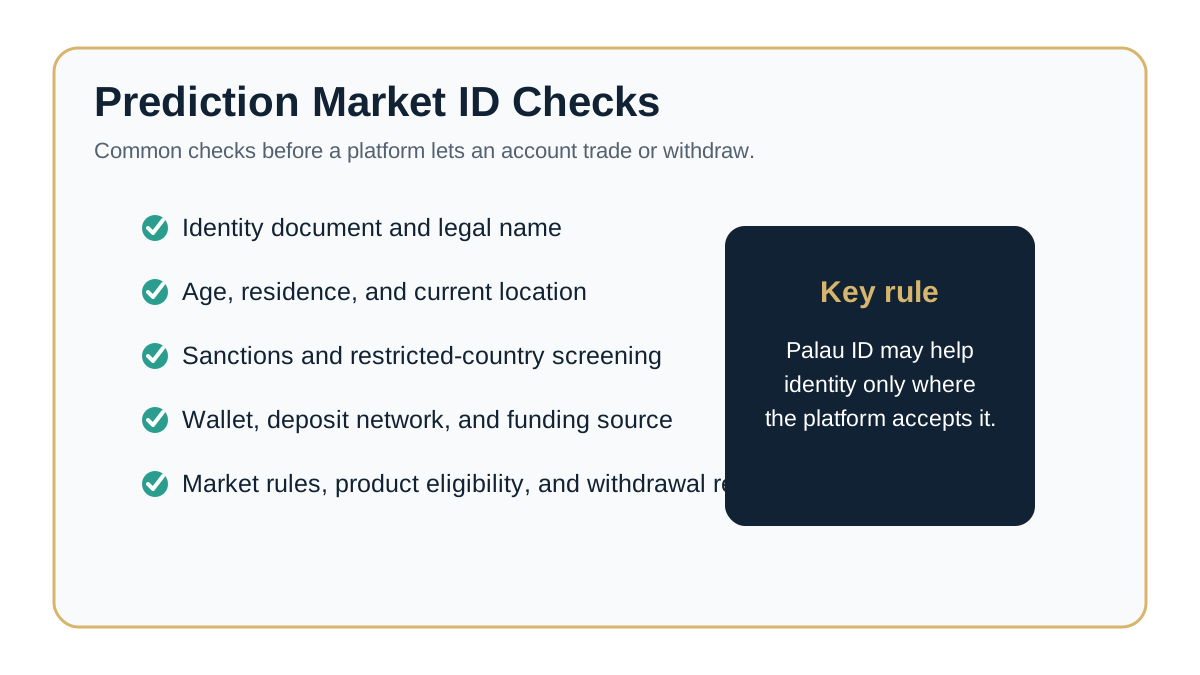
Prediction market KYC can cover more than identity. A platform may check legal identity, age, country, current location, sanctions exposure, wallet ownership, funding method, source of funds, trading behavior, and market eligibility.
A Palau ID may help with identity only where a platform accepts physical Palau-issued ID. It does not automatically satisfy residence, address, legal-access, or funding checks.
Why prediction markets verify users
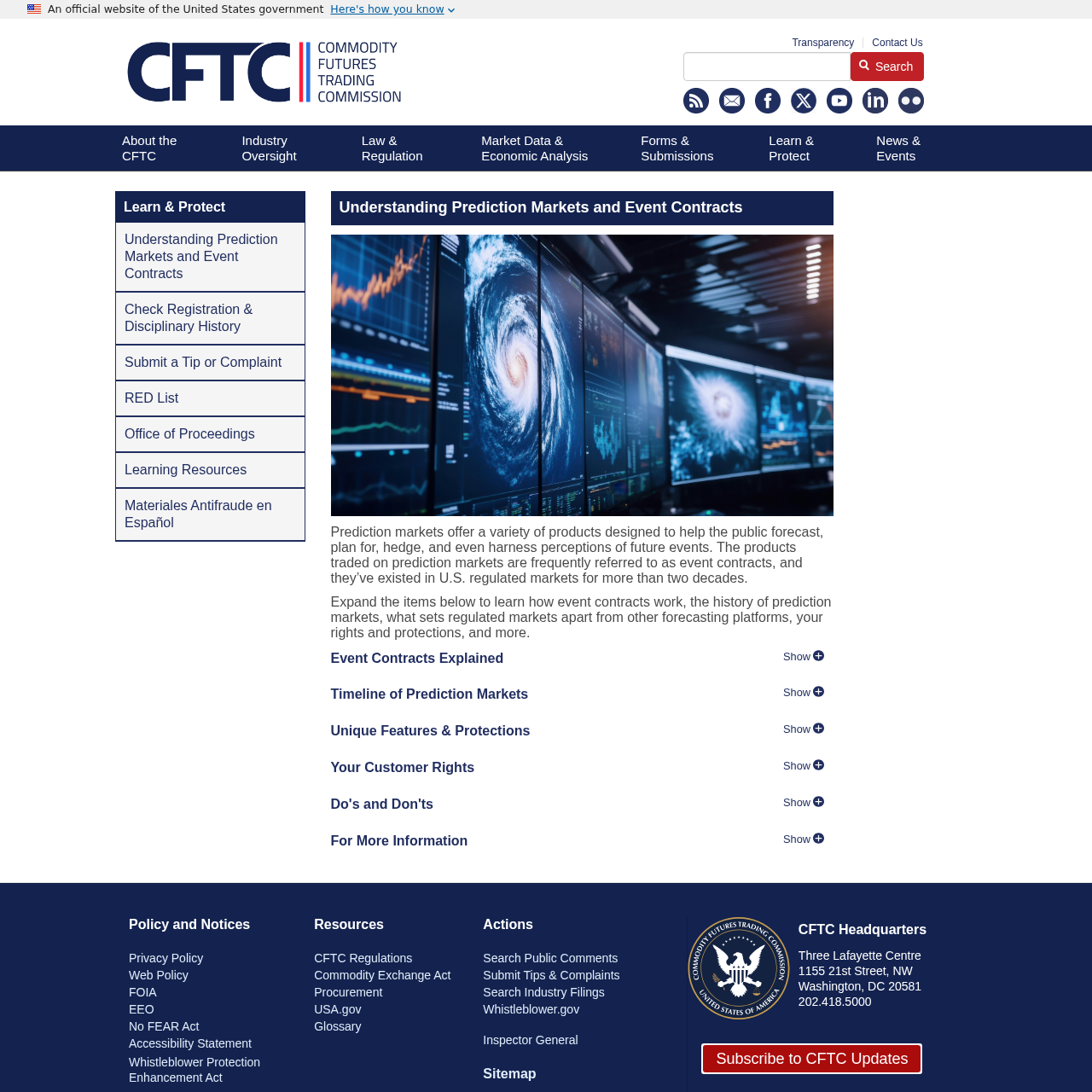
The CFTC describes prediction-market products as event contracts and notes that participation carries financial risk. Platforms that offer event contracts, crypto prediction markets, or related trading products may need to manage customer eligibility, market rules, fraud, sanctions, and account security.
Those checks are not identical across platforms. A regulated U.S. event-contract exchange, an offshore crypto prediction market, and a wallet-connected prediction app can all use different onboarding flows.
Common KYC layers
| Layer | What it checks | Palau ID relevance |
|---|---|---|
| Identity | Name, document, date of birth | May help where accepted |
| Age | Whether the user meets minimum age rules | ID may support age proof |
| Location | Current country or region | Palau ID does not prove current location |
| Residence | Where the user lives | Separate from ID issuer |
| Sanctions | Whether the user or location is restricted | ID does not override sanctions |
| Wallet | Wallet connection, signatures, deposit address | Separate from ID |
| Funding | Token, network, deposit source | Separate from ID |
| Product eligibility | Whether a market/product can be offered | Platform and law decide |
This is why Palau ID proof-of-address limits and Palau digital residency limitations are required reading.
Official prediction-market context
The CFTC explains that event contracts can be yes-no contracts with fixed payouts and expiration. It also says customers should review contract-specific rules, understand risks, understand fees, use risk capital, and be cautious with unregistered entities.
That official framing matters for content on this site. We can explain identity use cases, but this is not gambling advice, trading advice, legal advice, or a recommendation to use a restricted platform.
How Palau ID fits
If a prediction market asks for government-issued ID, the Palau ID may be useful only if the platform accepts physical Palau-issued documents. RNS says only the physical copy can be used for KYC, so the digital image should not be used as a shortcut.
If the blocker is location, address, residence, sanctions, or product eligibility, identity alone will not solve it. Read Palau ID and prediction markets for the full decision map.
Platform-specific examples
For Polymarket, the first questions are geographic restrictions and platform rules. Read Polymarket KYC, Polymarket supported countries, and Polymarket VPN risk.
For crypto exchanges, the questions are different. Use Palau ID supported exchanges and the Palau ID exchange KYC tracker.
Bottom line
Prediction market KYC is a stack, not a single document upload. A Palau ID can support identity where accepted, but the platform still controls location, eligibility, wallet, funding, sanctions, and market rules.
If you are applying for Palau digital residency because of prediction markets, apply only if the physical ID has broader value beyond one platform.